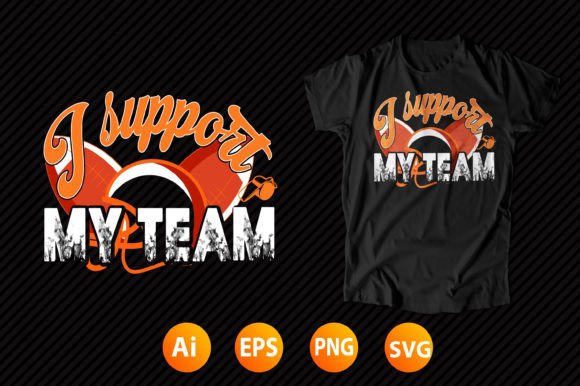
A Designer’s Take on American Football T-shirt Design 12
As someone who has spent years translating digital concepts into tangible, stitched realities, I approach every new machine embroidery design with a mix of curiosity and caution. We have all been there: staring at a vibrant preview image, only to realize later that the stitch density is too high for the fabric or the details vanish under the thread. When I first loaded American Football T-shirt Design 12 into my workspace, I was looking for more than just a pretty graphic. I wanted to know if this asset could hold up in a real-world production environment, specifically for the booming market of sports-themed handmade goods.
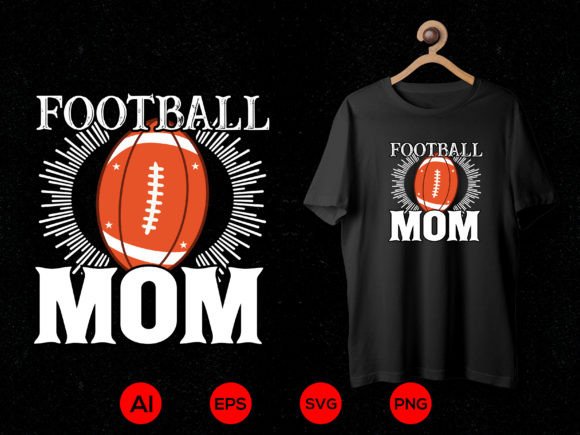
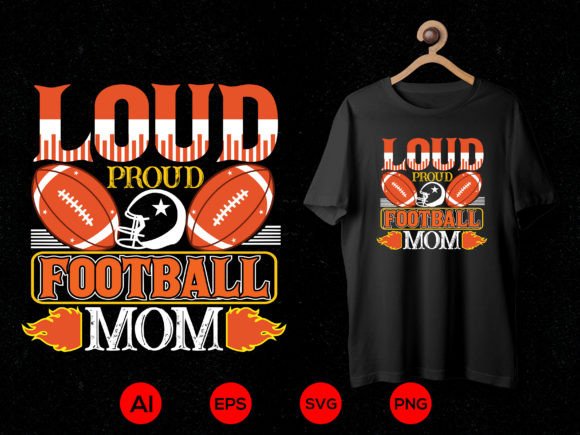
This particular piece markets itself as a "loud proud football mom" statement, which immediately sets a specific tone. It is bold, energetic, and unapologetically enthusiastic. But does it translate well from a screen to a sweatshirt? Let us break down how this T-Shirt Designs asset performs when put to the test.
First Impressions and Visual Personality
The immediate mood of American Football T-shirt Design 12 is celebratory. It captures that specific weekend energy of tailgates, Friday night lights, and family pride. Visually, the layout feels balanced, with a clear hierarchy that draws the eye to the central theme before letting it wander to the supporting elements. For an embroidery project, this is crucial. If a design is too cluttered, the needlework becomes muddy. Here, the shapes appear distinct enough to allow for clean stitching, provided the digitizer has done their job correctly.
Since the item description notes that you receive AI, EPS, PNG, and SVG files, we are dealing primarily with vector-based Graphics. This is a double-edged sword for embroiderers. While vectors are infinitely resizable and perfect for print-ready applications, they do not automatically equate to a finished embroidery file. You will likely need to use these vectors as a reference for digitizing your own stitch paths or importing them into software that converts shapes into satin and fill stitches. The promise of "100 vector shapes resizable" means you can scale this for a tiny baby onesie or a large tote bag without losing edge clarity, which is a significant advantage for versatility.
Real-World Application: The Custom Sweatshirt Test
To truly evaluate this design, I imagined a common scenario: a local client wants a custom hoodie for her son’s championship game. She wants something that stands out in photos but remains comfortable to wear. American Football T-shirt Design 12 fits this brief perfectly. The bold nature of the design suggests it would look striking on the back of a heavyweight cotton blend sweatshirt.
In this context, the "easy change color" feature mentioned in the description becomes vital. A football mom might want school colors—perhaps navy and gold, or crimson and white. Because the underlying assets are vector shapes, adjusting the color palette in your design software before digitizing is straightforward. This allows for rapid customization, a key selling point for any Etsy seller or craft business owner who needs to turn around orders quickly during peak sports seasons.
Beyond apparel, consider the potential for an embroidered patch. If you digitize this with a tight satin stitch border and a dense fill, it could become a high-value add-on for jackets or bags. Patches are trending, and a design with this level of thematic clarity works well when scaled down, provided you simplify the smallest details to prevent thread breaks.
Navigating Technical Challenges
While the visual appeal is strong, practical application requires vigilance. Here is where my experience as a reviewer comes into play. You must consider where this design might struggle.
- Fabric Texture: On textured fabrics like terry cloth towels or fuzzy fleece, fine details can get lost. If you plan to use this on a tote bag design made of canvas, ensure your stitch density is high enough to cover the weave but not so high that it causes puckering.
- Stretchy Materials: For baby embroidery on knit onesies, the design’s size matters. A large, dense graphic can stiffen the fabric, making it uncomfortable for an infant. I would recommend scaling it down significantly and using a lightweight cut-away stabilizer to support the stitches without adding bulk.
- Curved Surfaces: Applying this to a cap requires careful hoop placement. The curvature of a baseball cap can distort wide designs. If the horizontal span of American Football T-shirt Design 12 is too wide, it may wrap around the sides awkwardly. Always check the dimensions against your specific cap frame.
- Dense Stitch Areas: If the original vector shapes are complex, converting them directly to fill stitches can result in excessive thread usage and potential needle heating. Break up large areas with running stitch textures or leave negative space to let the fabric breathe.
Enhancing Product Value and Brand Trust
For small shop product creators, the quality of your design directly impacts customer trust. A crisp, well-executed embroidery job signals professionalism. When a customer receives a personalized gift featuring this design, the clarity of the letters and shapes reinforces the perceived value. Sloppy stitching or poorly scaled graphics can make a handmade item look amateurish, regardless of the time invested.
Using American Football T-shirt Design 12 effectively can also boost your brand consistency. If your shop specializes in sports memorabilia, having a go-to design that is versatile enough for holiday embroidery gifts, team parties, or casual wear helps streamline your workflow. You can create cohesive printable mockup previews for your online store, showing the design on various items like aprons, pillow covers, and blankets, giving customers a clear idea of the final product.
Practical Notes for the Embroiderer
Before you commit to a full production run, follow these steps to ensure success:
- Test on Scrap Fabric: Never skip this step. Stitch the design on the same type of fabric you intend to use for the final product. Check for puckering, thread breaks, and coverage.
- Check Thread Contrast: Since this is a "loud" design, high contrast between thread colors and fabric background is essential. Test it in black and white mockups first to ensure the shapes remain distinguishable without color cues.
- Verify Licensing: The description mentions commercial usability implicitly through its target audience, but always confirm the specific license terms. Ensure you are allowed to sell finished items made with this design, especially if you are modifying the vector shapes significantly.
- Inspect Small Details: Zoom in on the SVG or AI file. Are there tiny anchor points or thin lines that might not stitch well? Simplify these areas in your digitizing software to improve reliability.
- Stabilizer Selection: Match your stabilizer to the fabric. Use tear-away for stable woven fabrics like cotton t-shirts, and cut-away for stretchy knits or items that will undergo frequent washing, such as custom apparel worn by active kids.
In conclusion, American Football T-shirt Design 12 offers a solid foundation for creative entrepreneurs. Its vector-based nature provides flexibility, while its thematic strength appeals to a dedicated niche. By approaching it with a designer’s eye for detail and a practitioner’s respect for material limitations, you can transform this digital asset into a standout finished product that resonates with customers and elevates your craft business.